Erasmus+ Filtering the Finest: Information and News
Project Reference: 2024-3-IT03-KA153-YOU-000269440
This project was implemented as a joint partnership initiative between six European consortium member organisations from Italy, Belgium, Türkiye, Germany, Hungary, and Poland. The training course “Filtering the Finest: Information and News” focused on strengthening the capacity of youth workers to respond to the growing challenges of misinformation, disinformation, malinformation, and information overload in today’s digital society. Using non-formal education methods such as peer-to-peer learning, group discussions, simulations, media analysis, case studies, energizers, reflection circles, collaborative workshops, and practical digital exercises, participants explored how false or misleading information spreads and how youth workers can respond effectively in their local communities.
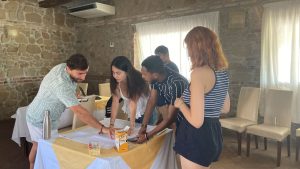 Throughout the programme, participants also exchanged national experiences regarding media trust, social media influence, online manipulation, and youth behaviour in the digital environment. The project encouraged intercultural cooperation and the sharing of tools that can be adapted locally by youth organisations, schools, and civil society actors. In addition, participants worked on practical resources and follow-up materials that can be used to train young people in media literacy and responsible online engagement.
All activities of the training course were based on critical competencies linked to digital literacy, democratic participation, critical thinking, and youth empowerment. Trainers designed the programme in a logical learning flow, gradually moving from awareness of information pollution toward practical tools for prevention and education. Participants engaged in self-reflection, group evaluation, and real-life scenario exercises each day. Lecturers and facilitators combined theoretical knowledge with hands-on practices that youth workers can directly apply in their daily work with young people.
Objectives
The main objective of this project was to equip youth workers with the knowledge, skills, and practical tools needed to identify, analyse, and counter misinformation while promoting verified information and democratic values. Specific objectives included:
- Improve digital literacy and strengthen the ability of youth workers to evaluate the reliability of information sources.
- Develop practical fact-checking skills and methods to verify online news and social media content.
- Increase awareness of disinformation, misinformation, malinformation, and information overload.
- Strengthen critical thinking and media literacy competencies among youth workers and the young people they support.
- Address confirmation bias and cognitive bias that influence how people interpret and share information.
- Promote informed decision-making based on credible and verified information.
- Encourage youth workers to integrate digital transformation tools into their daily practices.
- Strengthen democratic participation, active citizenship, and resilience against manipulation in online spaces.
- Prepare youth workers to transfer the acquired knowledge into local youth work settings, workshops, and educational activities.
Impact
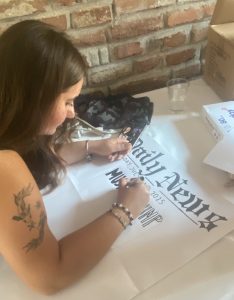 The impact of the project is expected to continue beyond the direct participants through the transfer of methods, tools, and experiences to local youth groups, schools, and organisations. Youth workers gained stronger competencies in digital literacy, critical thinking, and democratic resilience, enabling them to guide young people more effectively in navigating the modern information landscape.
The project also contributes to the wider Erasmus+ priorities of inclusion, active citizenship, digital transformation, and the protection of democratic values in Europe.